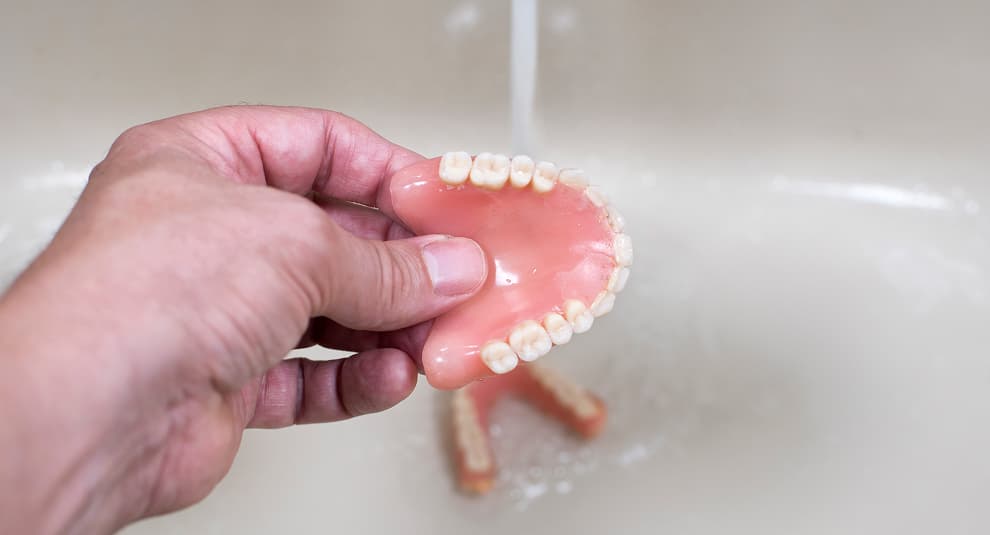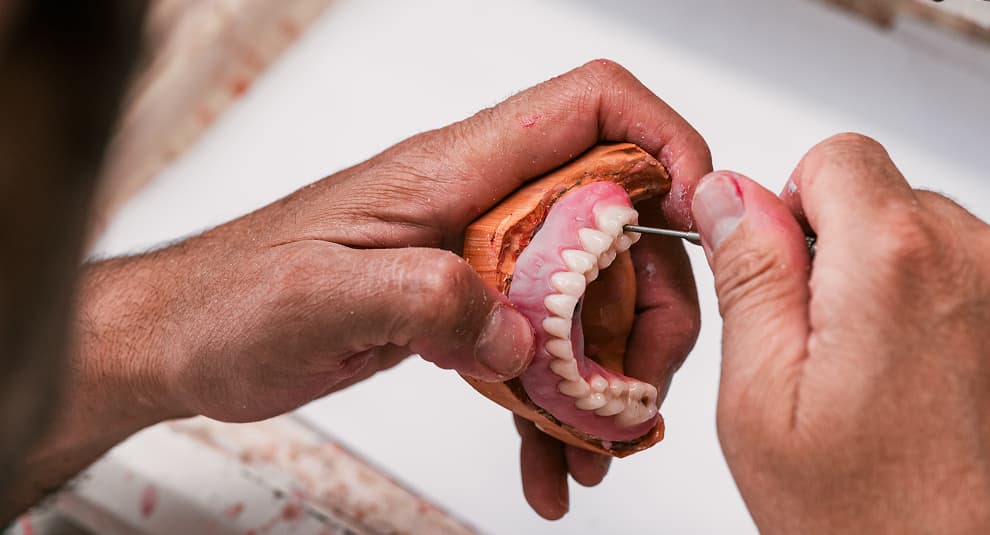
Bringing home a new set of dentures is an exciting milestone on your journey to restoring a complete, confident smile. However, just like breaking in a new pair of quality shoes, your mouth needs a little time to adapt to the new shapes and sensations. In the first few days, your new teeth might feel slightly bulky, your speech might sound a bit unfamiliar, and you might notice a temporary increase in saliva. Please be assured that all of these initial reactions are completely natural and will quickly fade as your mouth learns how to work with your new dentures.
Learning to chew comfortably with new dentures is all about patience and steady practice. When you first begin enjoying meals at home, following these simple guidelines will help you build confidence without frustrating your gums:
- Start with soft, gentle meals: For the first week or two, focus on soft, nutritious foods such as scrambled eggs, steamed vegetables, tender fish, yogurt, cooked oatmeal, and warm soups. These gentle textures allow your gums to settle without enduring heavy biting pressure.
- Take smaller, manageable bites: Cutting your food into small, nickel-sized portions significantly reduces the chewing force required and prevents the denture base from shifting or dislodging while you eat.
- Chew evenly on both sides: With natural teeth, we often chew on one side at a time. With full dentures, chewing food evenly on both the left and right sides of your mouth simultaneously helps distribute the bite pressure and keeps your dentures balanced and stable.
- Hold off on tough or crunchy foods: Avoid hard nuts, tough meats, sticky candies, and whole raw apples during the first few weeks. When you do reintroduce apples or firm crusty bread, slice them into thin pieces rather than biting directly with your front teeth.
- Stay hydrated during meals: Drinking plenty of water during and after meals helps rinse away food particles and keeps your mouth comfortably lubricated as you adjust.
Because your tongue, cheeks, and lips are adjusting to the presence of the denture base, pronouncing certain sounds like “s,” “th,” or “f” might feel a little awkward at first. A wonderful and fun way to speed up your muscle memory is to practice reading a favorite book, magazine, or newspaper out loud for five to ten minutes each day. Singing along to familiar music in the car or kitchen is another great way to build speech rhythm. If you notice a slight clicking sound when speaking, try talking a little more slowly until your facial muscles learn to hold the denture steady without conscious effort.
Your gums are delicate living tissues that need time to adjust to the pressure of supporting prosthetic teeth. As your dentures settle into place, it is very common for small, localized sore spots to develop where the acrylic rests firmly against a sensitive area of your gums. You should never try to endure painful friction or attempt to adjust the plastic yourself at home. A simple, gentle chairside polish from a professional can relieve the pressure in just a few minutes.
If you ever feel a tender spot or have questions about how your new teeth are settling in, our team at Ziaee Denture Clinic in Vancouver is always happy to help. Feel free to call or stop by our clinic for a friendly comfort check anytime.