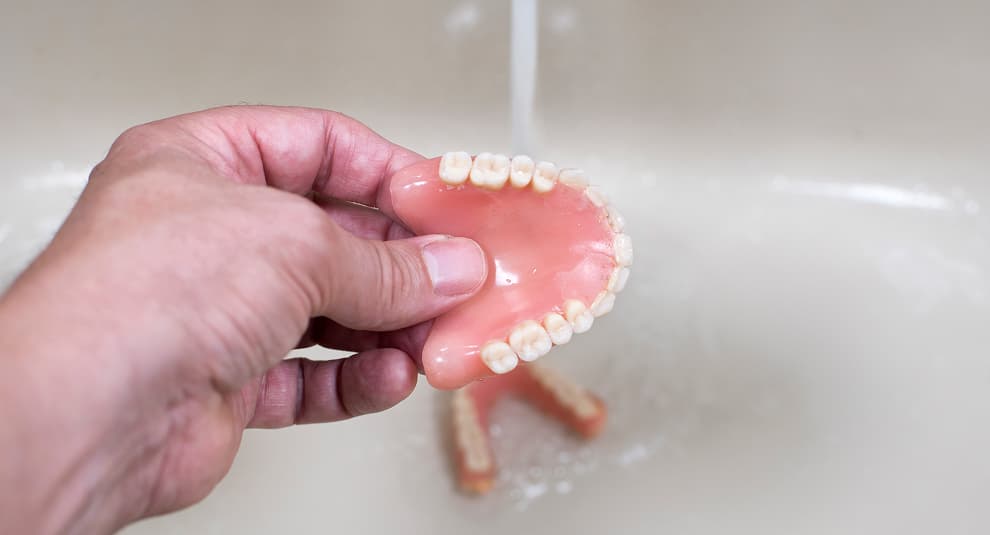
When you first received your dentures, they likely fit snugly and felt secure against your gums. Over time, however, you might begin to notice that they feel a bit loose, rock slightly when you chew your favorite foods, or cause unexpected sore spots. Many people mistakenly assume that their dentures are wearing down or breaking. In reality, it is your gums and underlying jawbone that naturally change shape over the years, creating small gaps between the hard denture base and your mouth.
After natural teeth are removed, the bone ridge in your jaw that once supported the tooth roots slowly shrinks and reshapes through a natural biological process known as bone resorption. Because the acrylic base of your denture is rigid and cannot change shape on its own, it gradually loses the close contact and natural suction it once had with your gums. When a denture becomes loose, continuing to wear it without refitting can accelerate bone loss, cause uneven bite pressure, and lead to chronic irritation. Here are five common signs that indicate it is time for a professional denture reline or adjustment.
Key Signs to Watch For
- Relying heavily on adhesives: Denture adhesive can be helpful for a little extra stability on special occasions, but you should not need large amounts of paste just to keep your teeth in place during normal daily activities. If you find yourself applying adhesive multiple times a day, your denture has lost its natural suction and needs to be professionally refitted.
- Persistent sore spots and redness: A loose denture shifts and rubs against your delicate oral tissues while you chew or speak. This constant friction leads to tender, inflamed, or raw spots on your gums that do not seem to heal on their own.
- Slipping or clicking when speaking: If your denture wobbles, moves out of position, or makes an audible clicking sound when you talk or eat, the peripheral seal along the edges has weakened.
- Food frequently collecting underneath: When gaps form between your denture base and gum ridge, small food particles, seeds, and grains easily find their way underneath, causing sharp discomfort and gum irritation until the denture is taken out and rinsed.
- Changes in your bite or facial profile: As bone loss progresses and dentures loosen, your lower jaw may over-close when biting down. This subtle change can cause your chin to appear closer to your nose, creating new creases around the corners of your mouth, thinning lip support, and causing jaw muscle fatigue.
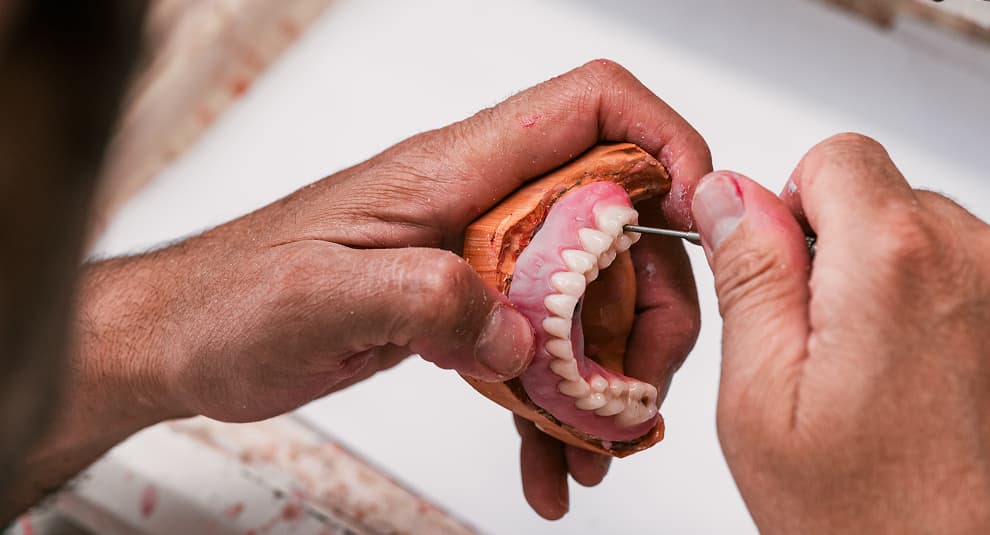
A professional denture reline is a quick, cost-effective procedure where fresh acrylic or a soft silicone cushion is added directly to the underside of your existing denture base. This restores the exact shape of your current gum contours, brings back a secure seal, and eliminates painful rubbing without the expense of purchasing a brand-new denture. For patients with sensitive lower ridges, a soft cushioned reline can provide incredible comfort and relief. Most relines can be completed within the same day.
You do not have to live with the frustration of loose or uncomfortable teeth. If your dentures are slipping or irritating your mouth, reach out to our team at Ziaee Denture Clinic in Vancouver. We will gladly check your fit and help make your smile comfortable again.